
A septic inspection is not generally a maintenance visit. Instead, it’s an opportunity to understand how a property’s system appears to be functioning and what questions should be asked next.
South Platte Services provides septic inspections, onsite wastewater evaluations, and septic system guidance throughout Conifer and the surrounding Highway 285 mountain communities.
Our inspection team is backed by more than 50 years of experience serving Colorado’s mountain communities. We’ve inspected thousands of septic systems and understand the unique challenges that come with older systems, incomplete records, changing county requirements, and mountain properties that have evolved over time.
In Conifer, septic inspections are often as much about reconstructing a system’s history as they are evaluating its current condition. Older properties, incomplete records, and ever-changing Jefferson County regulations all play a role. That’s why our team stays current with county requirements and works closely with Jefferson County throughout the inspection process when questions arise.
If you’re unsure what type of inspection you need or whether your records are complete, it usually helps to talk about your property’s unique situation before scheduling.
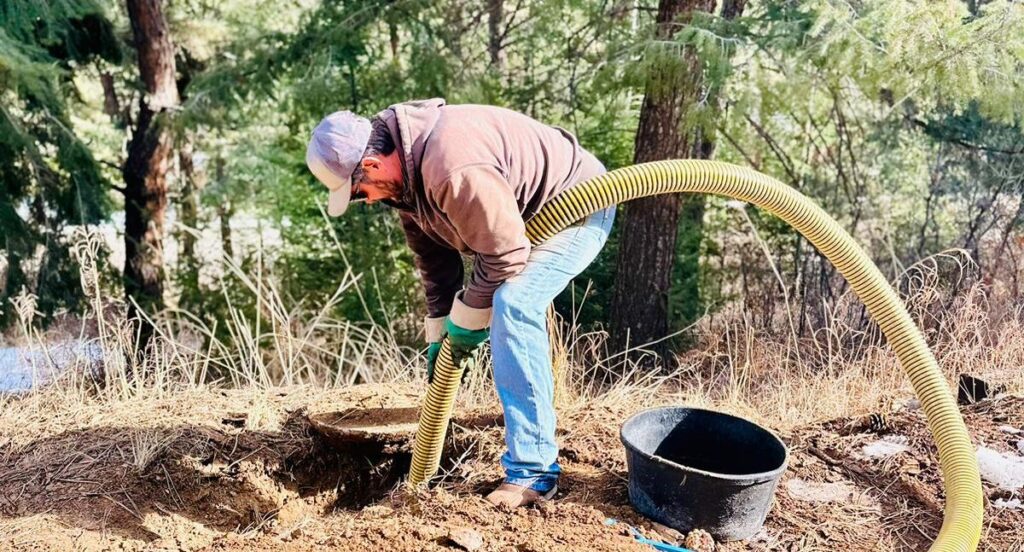
Why Septic Inspections Work Differently in Conifer
Most inspections in the suburbs start with system’s location known, easily available records, and predictable access.
Conifer doesn’t always work that way.
Most Conifer residential properties rely on onsite wastewater treatment systems and private wells. Municipal sewer infrastructure is uncommon outside portions of Kings Valley and limited commercial areas.
Thus, many inspections must begin with information gathering.
County records may be incomplete, prior repairs may not be documented, and access lids may have been buried over time. Landscaping, driveway changes, additions, and decades of property ownership changes sometimes leave current owners with less information than one would expect.
Inspection work often starts before anyone opens a lid.
The goal is helping homeowners, buyers, and property owners understand what system they have, how it appears to be functioning, and what questions should be asked next.
“These guys will set up automatic inspections and pumping based on their findings, couldn’t ask for better service!!” – Derek S
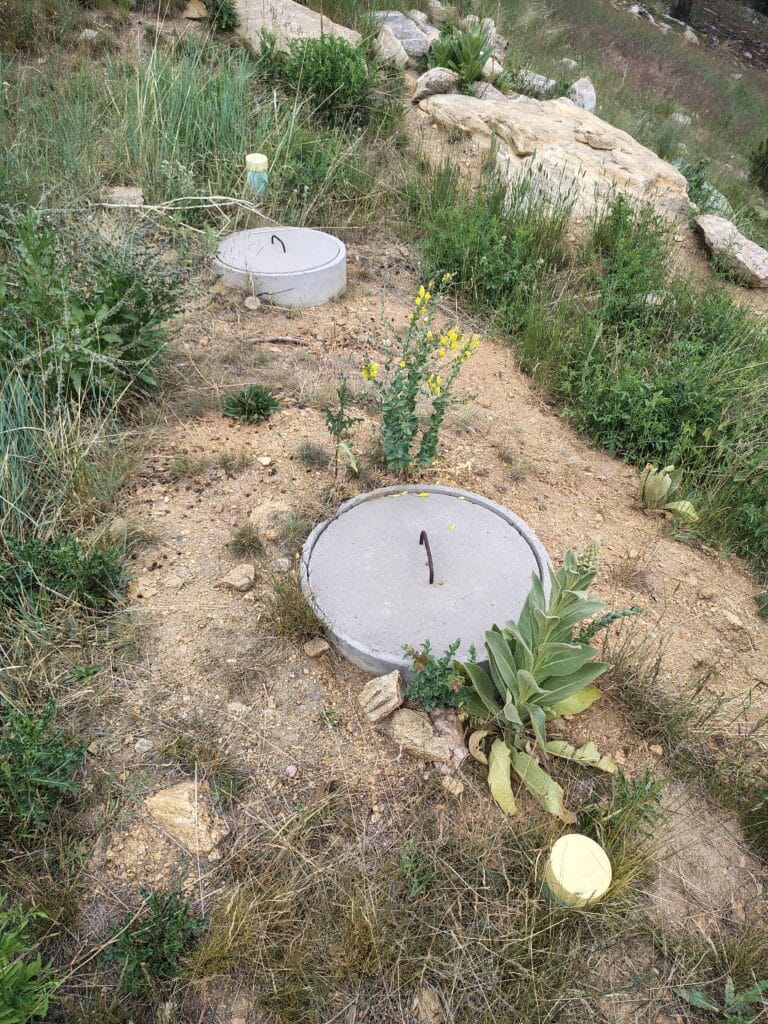
When Septic Inspections Commonly Happen
Septic inspections are common in Conifer during:
- Home purchases and due diligence
- Property sales
- Short-term rental licensing requirements
- Long periods without maintenance records
- Alarm conditions or unusual system behavior
- Major renovations or additions
- General system health evaluation
Not every inspection identifies a problem. Many of them simply create clarity around condition, maintenance priorities, and future planning.
What We Typically Evaluate
Inspection scope varies depending on property type and county requirements, but often involve evaluating:
- Tank condition and accessibility
- Operating liquid levels
- Baffles and structural observations
- Effluent filters where present
- Pump operation and alarm function where applicable
- Components visible during inspection
- Available county documentation
- General system observations and maintenance considerations
Some properties may involve pressure distribution, pump systems, advanced treatment components, or installations that differ from standard gravity systems.
Inspection findings help determine whether additional evaluation, maintenance, pumping, repair, or county review may be needed.
Records, Requirements & Property Transactions
Inspection work and county requirements are related, but they are not the same thing.
Property sales, short-term rental applications, and ownership changes often create questions about OWTS requirements, inspection timing, available records, and what documentation may be needed.
Many customers call because they know they need “something for the county” but are not sure whether that means pumping, inspection, permitting, documentation, or even all of them.
We can help customers understand where they are in that process and what service makes sense to start with.
For detailed information on Jefferson County Transfer of Title requirements, OWTS timelines, and short-term rental requirements, click the button below.

Older Systems & Incomplete Records
Conifer includes properties developed across many decades under changing standards and documentation practices.
That doesn’t automatically mean something is wrong, but it does mean inspection expectations sometimes need adjustment.
While some inspections move quickly, others require additional locating, record review, or follow-up evaluation before the picture becomes clear.
When available, county records, homeowner information, historical system knowledge, and visible field conditions all help with the inspection process.
Preparing for an Inspection
There are a few things that can make inspections easier:
- Any available septic records
- Approximate tank location if known
- Gate or access information
- Recent pumping history
- Alarm history if applicable
- Recent property changes
- Prepared questions the homeowner wants answered
If records are limited or tank locations are uncertain, mention that upfront. This is common in Conifer and usually changes how we plan our visit.
Frequently Asked Questions
Do I need an inspection before selling my home?
This depends on the property and county requirements. Many Conifer transactions involve septic evaluation because onsite wastewater systems are common throughout the area. Understanding requirements early makes the process smoother.
Can pumping and inspection happen during the same visit?
Sometimes, but it’s not how we typically operate. South Platte Services uses dedicated pumping crews and dedicated inspection technicians rather than having one person perform both jobs. This allows each team to focus on their area of expertise, resulting in a more thorough inspection, and a more efficient service experience.
What if I don't know where my septic system is?
That’s common, especially on older Conifer properties. With more than 50 years of septic service in the foothills, we’ve built an extensive history of the properties we serve. In many cases, we may already have records to help identify the location of your system. We also review county records and any information the homeowner can provide. If the available records don’t tell the full story, locating the system may become part of the service process.
What if the inspection identifies an issue?
Not every finding leads to major repair work. We explain what was observed, what the next steps usually involve, and whether additional evaluation or work may make sense.
How long does a septic inspection take?
Timing varies depending on access, records, system complexity, and the purpose of the inspection.
Do short-term rentals require inspections?
Jefferson County requires a current OWTS inspection to be completed within 90 days as part of short-term rental applications and renewals for septic-served properties. Because timing matters, it usually helps to understand requirements before starting the application process.
Schedule a Septic Inspection in Conifer
Need a septic inspection, system evaluation, or help understanding your septic system in Conifer or along the Highway 285 corridor?
If you’re not sure where to start, it usually helps to talk about the property, available records, and what you’re trying to accomplish before scheduling.